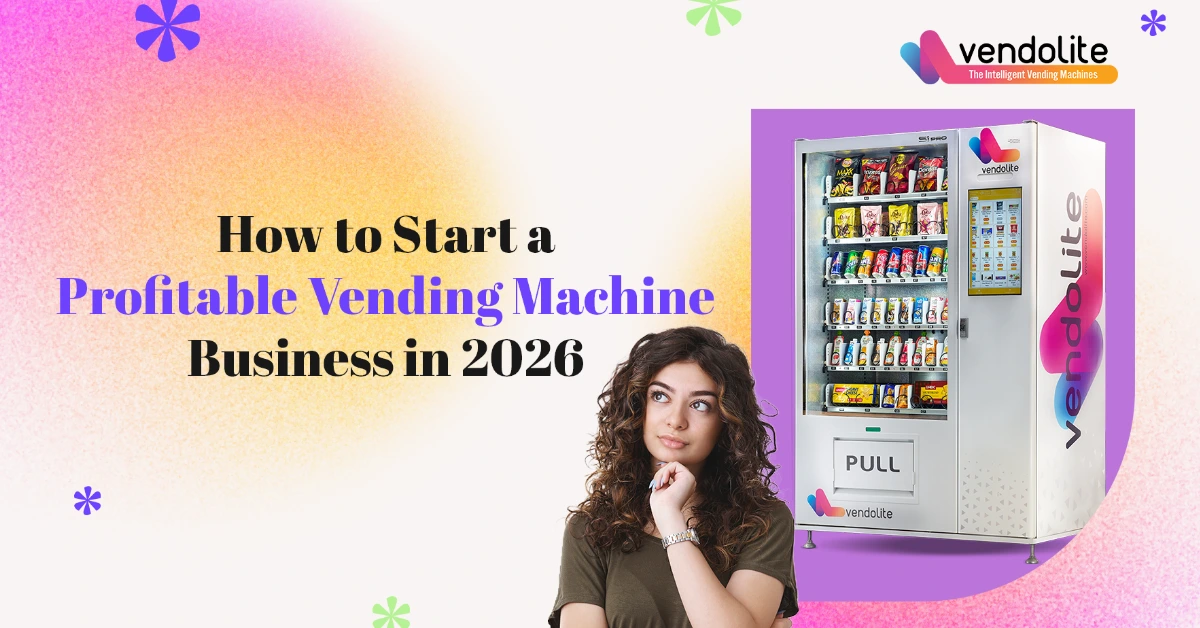
The vending machine industry has evolved a long way from being viewed as a mere side business. In 2026, it is turning out to be one of the most convenient and rewarding business ideas in India and the world. With the growing demand for snack vending machines, beverage vending machines, and food vending machines, startup entrepreneurs today have a contemporary, low-risk, and high-return means to enter the retailing space.
With changing consumer behavior towards convenience and online payments, the vending machine business is no longer about train stations or airports – it’s in offices, residential apartments, schools, and even gyms now. It’s not a question of whether vending machines are profitable, but how you can do it and make them profitable for you.
Why It Works for Aspiring Entrepreneurs
The
India Vending Machine Market is projected to reach USD 1623.5 million by 2030 reflect strong industry growth. The business of vending machines in India is picking up pace for a straightforward reason: it reduces the entry barrier. As opposed to a restaurant or retail store, which requires heavy investment and personnel management, vending machines provide:
- Low initial investment compared to franchises or conventional retail.
- Flexibility – you can start with a single machine and expand over time.
- Automation – IoT-enabled vending machines with remote monitoring.
For the working professional or aspiring entrepreneur, this vending machine business can be profitable in the long term.
How to Start a Vending Machine Business in India?
There doesn’t have to be a lot of complexity involved in getting started. The simplest place to start is with a snack vending machine or soft drink vending machine. It comes down to selecting the right place with high-traffic:
- IT parks and office complexes.
- Colleges and coaching centers.
- Hospitals and residential complexes.
By starting small, you can learn about buying patterns, product preferences and peak hours. That knowledge allows you to maximize restocking and prepare for growth.
Scaling Through Niche Segments
After becoming familiar with one or two machines, you can move into niche segments that bring greater value and profitability. For example:
- Value-based health food vending machines in fitness clubs and corporate buildings.
- PPE vending machines in manufacturing and hospitals.
- Stationery or napkin vending machines in schools and colleges.
Indian consumers are accepting the fact that vending machines are not only for chips and cola. The market is poised for tailor-made vending machine business models to suit requirements. That’s where the newer vending machine manufacturers come into the picture, providing machines that can be configured to suit your precise business objectives.
How Do Vending Machines Generate Profit?
So how does a vending machine really generate money? Here’s the math:
- Revenue per item sold: With snacks and beverages sold at day-to-day affordable prices, they sell consistently.
- High margins: Most of the food and beverage products in vending machines have a 20–40% profit margin.
- Recurring demand: Unlike high-end consumer goods, snacks and drinks are repeat buys.
If positioned in the correct position, one machine can produce enough revenue to pay for itself within several months. With two or three machines, the ROI increases exponentially, making vending one of the most predictable small business models.
Why 2026 Is the Right Time to Invest in Vending Machines?
The moment couldn’t have been more opportune. A combination of digital-first living and an increasing demand for unmanned retail options has set the stage just right for vending companies.
- Contactless payments: UPI, cards, and mobile wallets have accelerated transactions and made them more convenient.
- Technology-first machines: Automatic vending machines today are IoT-enabled, allowing you to track inventory and sales remotely.
Demand in workplaces: Increasing companies are getting food and beverage vending machines installed as part of employee wellness programs.
These trends don’t only make vending a business, but an investment for the future.
Conclusion
The business of vending in 2026 is not a matter of trend-following—it’s creating a smart, profitable, and scalable model. Whether going for a starting snack machine business or scaling up to customized vending solutions, the opportunity has never been larger.
Ready to start the vending machine business? Contact
Vendolite today!